Physical Fitness Powers Digital Career Longevity
"Discipline in the gym is the blueprint for discipline in the studio."
The relationship between physical self-management and digital career longevity is not merely incidental; it is a foundational element of professional sustainability. For creators whose work involves physical performance, the body functions as both the primary tool and the primary medium.
* Physical discipline directly feeds the consistency required by platform algorithms. * Self-management serves as a hedge against the burnout inherent in the creator economy. * The body acts as a visual testament to professional reliability and authority.

Why Physicality Matters in the Digital Age
A heavy camera rig sits on a tripod in a dimly lit room, the only sound being the rhythmic breathing of a creator preparing for a grueling workout shoot. The sweat on the floor reflects the intensity of a session that will soon be edited into a ten-minute masterpiece.
The economic burden associated with such disorders is estimated at $2.4 trillion as of 2010, according to the International journal of environmental research and public health (2023).
In the modern creator economy, the transition from passive consumption to active performance has redefined professional standards. For many UK-based creators, particularly those in the fitness, combat sports, or high-energy lifestyle niches, physical endurance is the engine of content production.
If a creator lacks the stamina to film a long-form challenge or the energy to maintain an engaging on-camera presence, the quality of the output suffers.
The visual currency of authenticity plays a massive role here. Viewers often subconsciously equate physical upkeep with professional reliability.
In the former, the physical state is the narrative itself.
As of 2025, the boundary between our virtual personas and physical realities has become increasingly blurred. Maintaining a tangible presence is essential to ground oneself in an era of constant screen time.
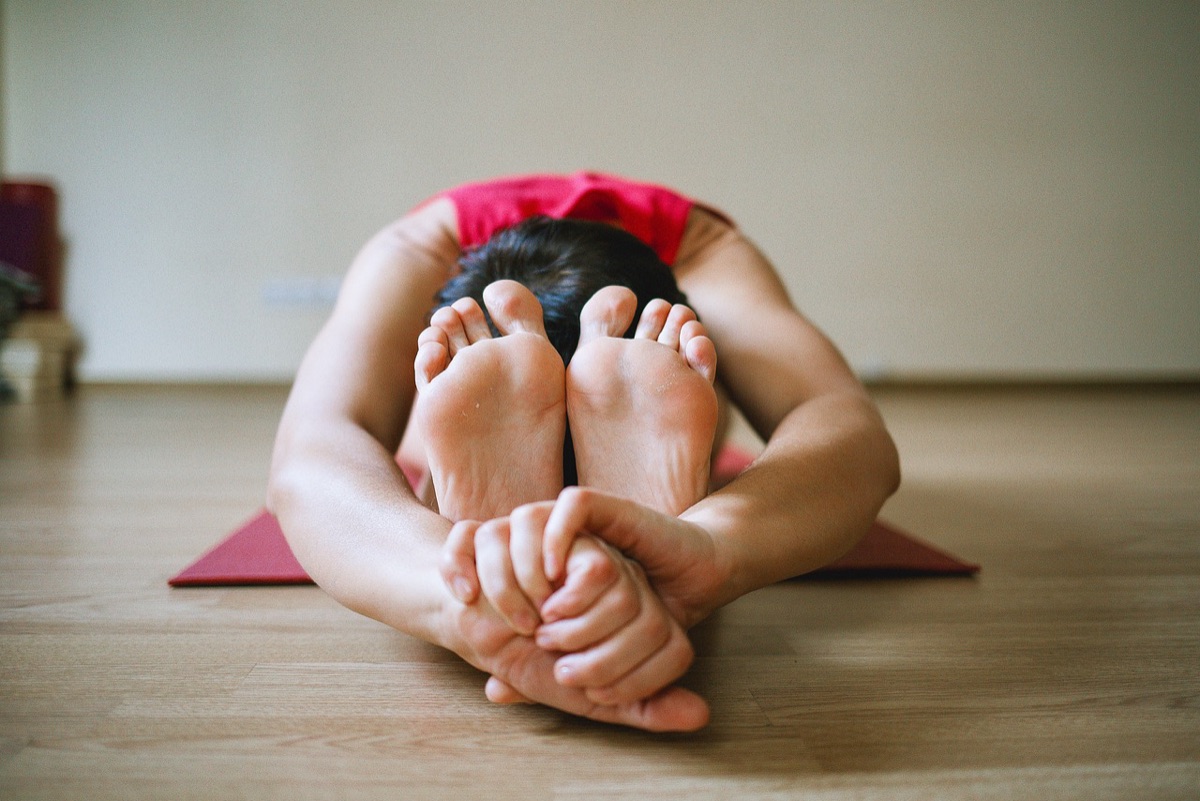
When I first transitioned to a fully remote workflow, I realized how quickly my physical energy waned without intentional movement. I found that even 10 minutes of stretching could reset my focus entirely.
What does true self-care actually look like? Under the soft glow of the kitchen lamp at midnight, she carefully chops vegetables while the scent of fresh herbs fills the air.
The kitchen clock ticks toward midnight as a creator meticulously weighs ingredients for a meal-prep video, ensuring every gram aligns with a strict nutritional protocol. Outside the frame, the mental fatigue of managing a global audience begins to settle in.
According to Frontiers in public health (2025), nurse-led DSME effectively improves long-term glycemic control and self-efficacy while elevating HDL levels in T2DM patients, though standardization of intervention protocols is needed to reduce heterogeneity.
As noted in Frontiers in public health (2025), nurse-led DSME effectively improves long-term glycemic control and self-efficacy while elevating HDL levels in T2DM patients.
Successful creators often maintain rigorous self-management routines that extend far beyond the camera's view. This includes specific workout regimens, strict dietary adherence, and sleep hygiene.
There is often a significant gap between the perceived effort of maintaining a public persona and the actual, grueling work required behind the scenes.
Mental fortitude is the silent partner in this equation. Handling the constant influx of online criticism requires a level of psychological resilience similar to the mental strain of physical training.
For many, the discipline learned through physical training—setting goals, hitting milestones, and managing setbacks—provides the mental framework necessary to navigate the volatility of digital fame.
A specific routine, such as a 5:00 AM training session, often becomes the catalyst for a video concept, turning personal discipline into engaging storytelling.
As of 2025, self-care has evolved from simple relaxation to a complex management of biological and digital inputs. A balanced routine often requires 7–9 hours of sleep to ensure cognitive clarity.
Consuming 2–3 liters of water daily helps maintain the hydration necessary for skin health and focus. Preparing a nutritious meal takes roughly 30–45 minutes, providing a necessary break from digital stimulation.
However, extreme dietary restrictions can sometimes lead to fatigue that undermines long-term productivity.
- Select a consistent wake-up time.
- Hydrate immediately upon rising.
- Schedule a 15-minute screen-free window after meals.
But how does this discipline translate when the cameras are actually rolling?
How will I perform when the spotlight is on me? The bright studio lights hum, casting sharp shadows across a creator's face as they prepare for a live-streamed physical challenge. One wrong move or a sudden lapse in energy could turn a professional production into a viral embarrassment.
High-stakes content serves as a microcosm of broader career pressure. Whether it is a choreographed fight scene or a marathon cooking attempt, the intersection of physical capability and broadcast requirements is where professional credibility is tested.
There is a massive difference between an amateur pursuit and professional documentation; in the professional realm, the stakes are much higher because the audience expects peak performance.
Small physical lapses can quickly become pitfalls. If a creator's physical condition declines, it can lead to a perceived decline in professional authority. This is especially true when the body is the primary subject of the content.
The visual impact of peak condition versus physical decline is often used by audiences as a metric for how much a creator "cares" about their professional standing.
As of 2025, the ability to remain composed during live interactions is a highly valued professional asset. Managing adrenaline requires controlled breathing techniques, such as inhaling for 4 seconds and exhaling for 6 seconds.
Keeping a workspace temperature between 68°F and 72°F can help maintain steady concentration during long sessions.
When I practiced breathing exercises before a high-stakes video call, I was surprised by how much it stabilized my voice. I would suggest practicing these techniques for at least 5 minutes before any live broadcast.
But what happens when the pressure shifts from the physical to the digital?
The Algorithm as a Partner: Consistency as the Ultimate Skill
A finger hovers over the "upload" button at 3:00 AM, the glow of the monitor illuminating a tired but determined face. The schedule must be met, regardless of how much the body wants to rest.
A total of 16 studies reported better medication adherence and behavioral change in the intervention groups, according to JMIR mHealth and uHealth (2020).
The relationship between a creator's upload schedule and the platform's algorithm is one of mutual necessity. The algorithm thrives on predictable engagement, which requires a consistent output. Mapping a physical regimen to an upload schedule is a common strategy for long-term success.
The discipline to film when uninspired is just as critical as the talent shown on screen. This is the difference between a fleeting viral hit and a sustained career.
Just as a human body requires consistent maintenance to perform at an elite level, a digital channel requires constant maintenance to survive the shifting tides of platform trends. Without the foundational discipline of self-management, the "engine" of the channel eventually stalls.
As of 2025, consistency is the primary driver of visibility in a saturated digital landscape. Establishing a posting cadence of 3–5 times per week helps build a predictable rhythm for both the creator and the audience.
Dedicating 60–90 minutes of deep work to content creation ensures quality without burnout.
- Audit your current output frequency.
- Create a content calendar for the next 14 days.
- Batch-produce 3–4 assets in a single session to save time.
This consistency builds more than just views; it builds a business.
Beyond the Lens: The Business of the Body
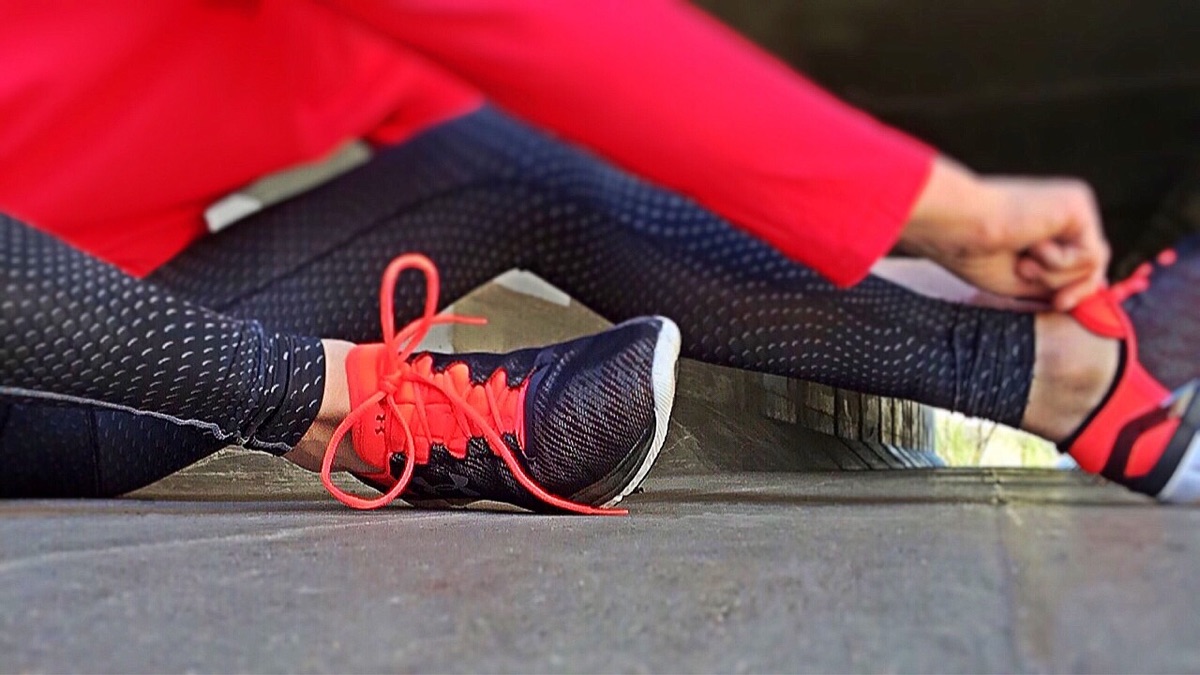
A sponsorship contract sits on a desk next to a pair of high-end athletic shoes, representing the intersection of personal branding and commercial viability. The transition from content creator to brand ambassador is often paved by physical authority.
Monetization pathways are frequently tied directly to physical branding. Sponsorships, gear endorsements, and fitness apparel partnerships are lucrative avenues for creators who have built authority through their physical discipline.
This "business of the body" turns personal self-management into a scalable professional asset.
| Aspect | Amateur Approach | Professional Creator Approach |
|---|---|---|
| Consistency | Sporudic, mood-based | Scheduled, routine-driven |
| Physicality | Secondary to personality | Integral to the brand identity |
| Mental Health | Often ignored until burnout | Proactive management and boundaries |
| Monetization | Generalist/Broad | Niche-specific/Authority-based |
| Step | Process for Integrating Discipline into Branding |
|---|---|
| 1 | Establish a rigorous personal routine (fitness/diet). |
| 2 | Document the process to build authentic authority. |
| 3 | Use the discipline to maintain a consistent upload schedule. |
| 4 | Leverage the established "persona" for niche sponsorships. |
| 5 | Reinvest earnings into tools that support both health and production. |
The transition from being "just a person with a camera" to a professional brand requires moving toward a lifestyle where discipline is the primary product.
Final Thoughts
The intersection of physical discipline and digital success is where sustainable careers are built. By treating the body as a professional tool, creators can ensure they have the longevity required to master their craft.






Comments 0