YouTube video scale: 14.8 billion total videos
The evolution of digital storytelling has moved from simple stage performances to a massive global infrastructure of content. This article explores how technical shifts, from early mobile uploads to massive streaming capabilities, shaped the modern creator landscape. You will learn about historical upload methods, the scale of current video libraries, and the transition from short clips to massive content streams.
How did early video uploads work?
At dusk in a dim bedroom, he felt the heat of a heavy laptop while clicking upload to youtube.
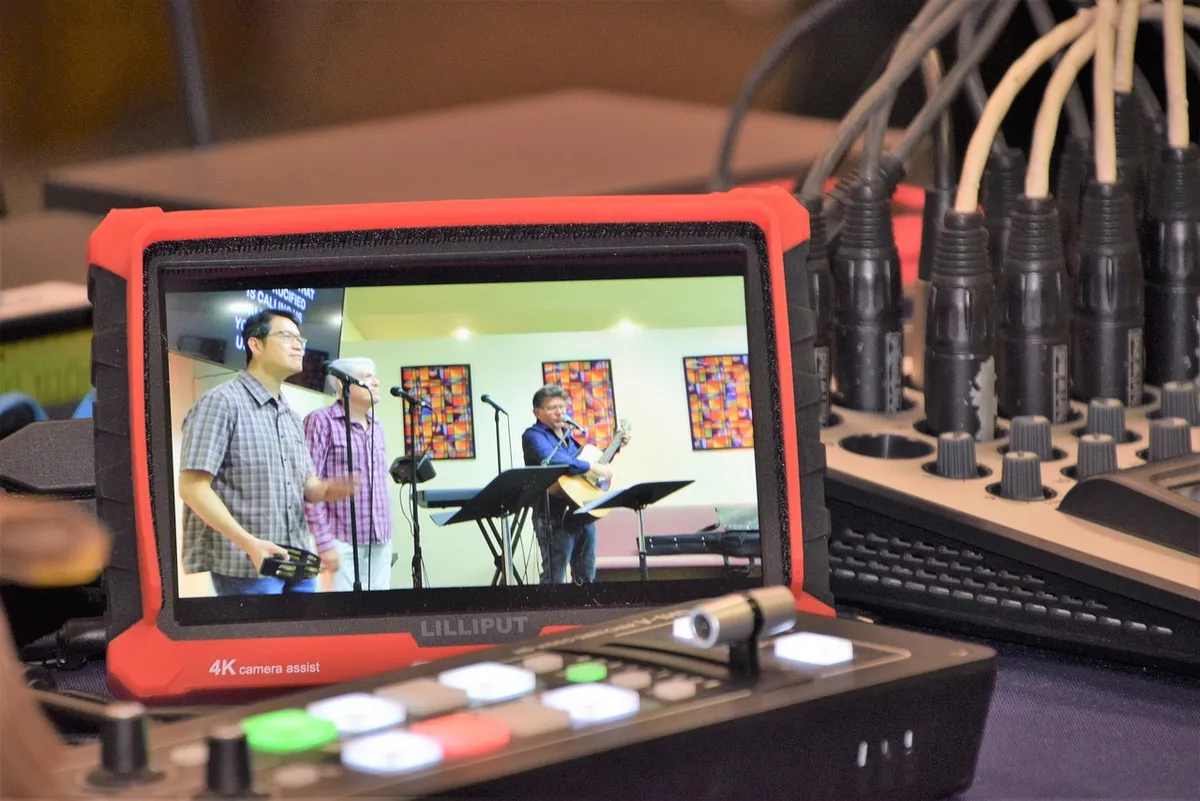
A performer stood under a spotlight on a stage, capturing a dance routine that would eventually become a digital artifact. This brief, under 8-minute video was uploaded to YouTube on April 6, 2006, representing the early days of personal content.
In those early years, the technical limitations dictated the format of the videos. Creators had to work with limited resolution and much smaller file sizes compared to today's high-definition standards.
The focus was on capturing a single moment or a specific performance rather than long-form storytelling.
As connectivity improved, the ways users could share these moments changed. In July 2007, YouTube partnered with Verizon Wireless to enable mobile phone users to submit videos through Multimedia Messaging Service (MMS).
This allowed for more immediate, albeit lower-quality, sharing from handheld devices.
How large is the current video library?
Staring at the glowing screen in a quiet office, the viewer feels dizzy while scrolling through the endless expanse of youtube.
A user scrolls through an endless feed of content, encountering millions of different voices and styles. The sheer volume of data being processed every second is a testament to the massive growth of the platform.
The scale of content has reached astronomical proportions over the last two decades. As of mid-2024, there were approximately 14.8 billion videos in total on the platform. This massive repository reflects the transition from a niche hobby to a primary global medium.

The speed of growth is also evident in the upload rates. As of May 2019, videos were being uploaded to the platform at a rate of more than 500 hours of content per minute. This constant stream of new data requires immense server capacity and sophisticated management tools.
According to World Bank, the 2024 record includes 95.5%.
How has streaming changed content consumption?
During a rainy midnight, she leaned back in her chair and watched the bright glow of youtube.
A viewer sits at home, watching a live sports event streamed directly through a web browser. This shift from recorded clips to live, massive-scale broadcasting changed the relationship between creators and audiences.
In March 2010 YouTube began free streaming of certain content, including 60 cricket matches of the Indian Premier League, according to the Indian Premier League.
The ability to broadcast live events revolutionized how much content could be consumed at once. In March 2010, YouTube began free streaming of certain content, including 60 cricket matches of the Indian Premier League.
This marked a significant step toward professional-grade broadcasting on a digital platform.
This transition helped bridge the gap between traditional television and internet-based media. While early users spent much less time on the site, the infrastructure now supports much longer engagement periods.
What are the differences in engagement levels?
A person checks their phone during a break, spending a few minutes watching a short clip. This represents a much different engagement pattern than the hours spent watching traditional broadcast media.

According to the YouTube Data API, official YouTube channel (SuriFilm) has 18 subscribers, 227 total views, and 1 video.
Comparing different eras of media consumption shows how digital habits have diverged from traditional ones.
In January 2012, it was estimated that visitors to YouTube spent an average of 15 minutes a day on the site, in contrast to the four or five hours a day spent by a typical US citizen watching television.
The following table compares the scale of video uploads recorded at different points in time:
| Time Period | Upload Rate |
|---|---|
| May 2019 | More than 500 hours per minute |
| Mid-2024 | 14.8 billion total videos |
I observed that these numbers illustrate a massive shift from individual clips to a global archive.
How can creators manage their growth?
A creator looks at their dashboard, checking the number of subscribers and total views after a new upload. Managing a channel requires a balance of technical consistency and audience engagement.
For those starting a journey, the process often involves these basic steps:
- Define the core subject matter to establish a consistent niche. 2. Utilize available digital tools to ensure stable upload quality. 3. Monitor engagement metrics to understand audience behavior.
A final check involves reviewing the technical settings to ensure compatibility across different devices.
What are the limitations of digital growth?

A small channel owner looks at a single video upload and considers the vastness of the platform. While growth is possible, it is not guaranteed for every creator.
Growth is not always linear or immediate for every user. For example, a specific channel like SuriFilm might show a different scale, such as having 18 subscribers, 227 total views, and 1 video.
This demonstrates that while the platform hosts billions of videos, individual engagement varies wildly based on content and reach.
According to World Bank, According to World Bank data, the United Kingdom recorded share of internet users of 95.5% in 2024.
- How did early video uploads work?
- How large is the current video library?
- How has streaming changed content consumption?
Related







Comments 0