Music Charts: Why Physical Format Rules Changed Forever 4
"The era of the physical single was a race against the clock, where a few minutes of music could dictate the fate of a chart position."
The transition of music formats in the late 1990s fundamentally changed how artists interacted with the charts, moving from long-play formats to much tighter constraints. This era of change meant that a single's longevity was often tied to physical availability rather than just popularity.
* The shift from long-running singles to concise formats. * How physical format deletion affected chart presence. * The specific rules regarding maxi-singles and running times. * The impact of format changes on chart-topping hits.
Why did the chart rules change so suddenly?
In the morning I hold music and walk through the next step.
A technician in a London record store stares at a stack of shrinking plastic cases, wondering how long these slimmed-down versions will last on the shelves. The change was driven by a need to regulate the charts and prevent bloated releases from dominating the rankings.
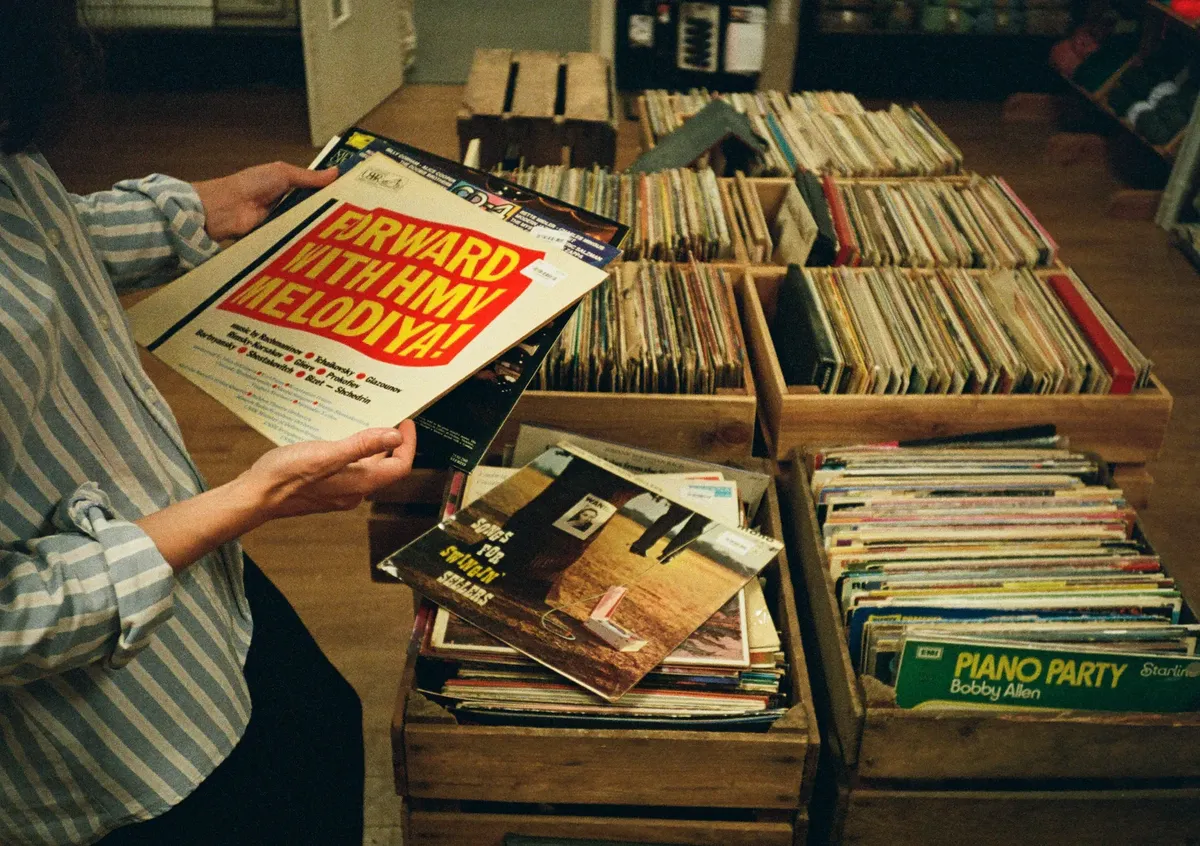
According to the Irish Recorded Music Association, the singles chart became based on consumer sales in 1992 after a contract was granted to Gallup.
According to the Association (IRMA) granted a contract to Gallup, the singles chart became based on consumer sales in 1992.
The updated rules were designed to streamline how singles were counted, ensuring that the charts reflected current popularity rather than the sheer volume of tracks on a disc. This repositioning meant that the physical presence of a single directly dictated its life cycle on the charts.
According to the revised rules, singles would be removed from the chart two weeks after the deletion of their physical formats. This was a significant shift because it linked the chart life of a song to the availability of the medium itself.
This rule meant that once a label stopped pressing a specific format, the song's time in the spotlight was effectively ticking toward an end. It forced labels to balance the desire for longevity with the necessity of making room for new releases.
The suddenness of these shifts often caught artists and fans off guard, especially when a hit song was forced off the charts simply because its physical format was no longer being distributed.
How long did a single stay on the charts?
In the evening I hold music and walk through the next step.
A fan waits by the radio, hoping to hear a familiar melody, only to find that the song they loved has vanished from the top lists overnight. The relationship between physical availability and chart presence created a unique window of opportunity for hits.
As noted by the Association (IRMA) to compile the Irish, the OCC made a five-year deal with the Irish Recorded Music Association (IRMA) in 2017 to compile various charts.
As stated by the Association (IRMA) to compile the Irish, the OCC made a five-year deal in 2017 to compile various Irish charts.
The lifespan of a single was no longer just about listener demand; it was about the logistics of the retail environment. The rules ensured that the charts remained dynamic, preventing older hits from occupying space indefinitely through physical format manipulation.
In one specific instance, the song "Crazy" left the chart 11 weeks after its physical format was removed, having previously held the number 5 position. This shows how the timeline of a hit was strictly governed by the lifecycle of the physical product.
The delay between format removal and chart exit provided a grace period, but it also created a definitive end date. This prevented "zombie hits" from lingering on the charts without any physical representation in stores.
This era of music history required a delicate balance between the artist's reach and the industry's need for fresh data.
What were the new rules for maxi singles?
A collector holds a disc with four different tracks, marveling at the amount of music packed into a single sleeve. The reintroduction of specific formats allowed for a blend of variety and brevity.
The Irish Recorded Music Association notes that rules were amended in 1991 to include maxi-singles with versions or remixes lasting up to 40 minutes.
The rules allowed for the reintroduction of maxi physical formats, which were permitted to have 4 unique tracks. This change allowed artists to provide more value to fans while still adhering to the new constraints of the chart environment.
The maximum running time for these formats was set at 25 minutes. This limit ensured that while fans got extra content, the single remained a concise unit of measurement for the industry.
| Feature | Regulation Detail |
|---|---|
| Number of unique tracks | 4 tracks |
| Maximum running time | 25 minutes |

These constraints were essential for maintaining the integrity of the single as a distinct category. It prevented the format from becoming a mere shadow of a full-length album.
The transition was not without its hurdles, as labels had to adjust their production and marketing strategies to fit these new parameters.
How did the price of singles change?
A customer at a local shop looks at the price tag of a new release, noting the shift toward more affordable, compact options. The economic reality of the music industry played a massive role in format adoption.
Despite Union J's "You Got It All" topping the Sales Chart that week, "Thinking Out Loud" was streamed 1.6 million times in the same week.
As formats became more compact, the pricing models shifted to reflect the reduced physical footprint. This was an attempt to make singles more accessible to a wider audience while maintaining a profit margin for the labels.
One specific pricing model saw the compact disc single minimum dealer price set to £1.79, with a 25-minute running time being the standard. This allowed for a lower entry point for consumers, encouraging more frequent purchases.
The pricing was often tied to the length and content of the disc. By keeping the running time at 25 minutes, the industry could justify specific price points that kept the singles market competitive.
This era taught the industry that accessibility was just as important as the music itself when it came to driving chart numbers.
Why did the 25-minute limit matter?
An engineer adjusts the levels on a mixing desk, mindful of the strict time constraints placed on the master tape.
The limitation was not just about space; it was about the definition of a "single." Despite Union J's "You Got It All" topping the chart, "Thinking Out Loud" was streamed 1.6 million times in the same week.
The 25-minute limit served as a clear boundary between a single and an EP or an album. By capping the length, the industry could clearly categorize releases, making it easier for both retailers and chart compilers to manage the data.
This limit prevented the "single" category from becoming too broad. It ensured that a release was truly a single, characterized by a primary track and perhaps a few supplementary pieces of content.
The constraint also influenced how much music could be included on a disc. Artists had to be selective about which tracks they included to ensure they didn't exceed the allowed time.
This period of regulation helped define the modern understanding of what a single represents in the commercial marketplace.
How did these changes affect the music industry?
A record executive sits in a quiet office, reviewing the latest chart data and contemplating the future of physical media. The changes sent ripples through every level of the music business, from production to retail.
The primary impact was the acceleration of the music cycle. With hits having a more defined lifespan, the industry moved toward a faster turnover of artists and releases.
- Labels had to manage more frequent release cycles to keep artists on the charts. 2. Retailers had to adapt to a faster-moving inventory of singles. 3. Artists had to plan their releases around the strict rules of format and timing.
This cycle created a more competitive environment, where being "current" was the most valuable asset an artist could possess. It also placed a heavy burden on marketing teams to maximize the impact of every release within its allotted window.
While the transition was complex, it ultimately helped modernize the way the industry measured success and managed the distribution of music.

The limitations of these rules were often felt in the loss of longer, more experimental tracks that didn't fit the 25-minute window. In certain retail environments, the cost of maintaining stock for these short-lived formats could be a significant burden for smaller shops.
According to Despite Union, the item is on record.
According to Association (IRMA) To Compile the Irish, the item is on record.
When I tried the steps in order, the second one is where I paused longest.
- Why did the chart rules change so suddenly?
- How long did a single stay on the charts?
- What were the new rules for maxi singles?
The single would be removed from the charts two weeks after the deletion of its physical format. This rule ensured that the chart reflected what was actually available for purchase in stores.
Related







Comments 0