How do competition rules compare to casual content creation?
"The growing popularity of these videos reflects a real social need, as shown by UK statistics where 15% of viewers report not having a shared meal with family members in over six months."
Balancing the demands of competitive eating or high-calorie content creation with physical health requires a strategic approach to lifestyle management.
This guide explores the relationship between high-intensity eating activities and personal wellness, covering the nuances of professional competition, social isolation drivers, and the mental health risks of frequent viewing.
Key takeaways include understanding the history of sanctioned eating, managing the social impact of digital dining, and recognizing the psychological associations of frequent mukbang consumption.
How does the history of competitive eating shape modern creator standards?

A heavy tray of hot dogs sits on a polished table as a competitor prepares for a timed event. The structure of professional eating has evolved significantly through sanctioned rules and organized governing bodies.
For instance, the International Federation of Competitive Eating (IFOCE) has sanctioned Major League Eating (MLE) events since 1997.
The discipline required for such events often dictates how creators manage their bodies during peak competition seasons. In 2011, Major League Eating announced they were splitting the annual contest into two separate contests, one each for men and women.
This shift reflects a move toward more structured, gender-specific competition environments.
The history of these events also highlights how personal choices affect participation in professional circuits. Kobayashi has not competed in the contest since 2009 due to his refusal to sign an exclusive contract with Major League Eating, which is the current sanctioning body of the contest.
These contractual realities often dictate the career longevity and physical management of top-tier eaters.
- Review historical techniques used in professional circuits.
- Adapt these methods for digital filming requirements.
- Integrate entertainment value with traditional eating speed.
- In this sequence, the second step is the longest.
What drives the popularity of eating-focused digital content?
Alone in a quiet kitchen at midnight, a lonely viewer feels the warmth of the screen as they watch a high-stakes food competition.
A camera lens focuses on a steaming plate of food as a creator prepares to share a meal with a digital audience. The rise of food-centric video content often intersects with shifting social dynamics and household structures.
This phenomenon is often linked to changes in how people interact in their daily lives.
One factor involves the changing composition of modern living arrangements. This may be due to the 18% increase in single-person households between 2015 and 2024, or a desire for relief from today's highly intense social media.
People often turn to digital content to fill a void left by changing social habits.
The social isolation observed in certain regions provides further context for why viewers engage with these videos. UK statistics show that 15% of viewers report not having a shared meal with family members in over six months.
This lack of physical connection can drive a unique form of digital companionship through food-focused media.
Is there a link between watching eating videos and mental health?
At midnight in the quiet kitchen, a lonely viewer feels a hollow ache in their chest while watching a digital food competition.
A viewer sits alone in a dimly lit room, staring at a brightly colored food video on a smartphone. While the content may seem like simple entertainment, frequent engagement can have psychological implications.
The Ministry of Health and Welfare announced the measures, which were intended to address binge eating and harm to the public health caused by mukbang.
The frequency of consumption is a critical variable in how these videos affect the viewer's emotional state.
More specifically, moderate or frequent mukbang watching (watching 1–2 and ≥ 3 times a week) is related to moderate depression, and frequent Mukbang watching is associated with severe depression symptoms. This connection suggests that the consumption of such content is not emotionally neutral.
Understanding these risks is essential for individuals managing their digital wellness. The relationship between content consumption and mood is a growing area of concern for public health officials.
Monitoring how these viewing habits impact one's sense of isolation is a necessary step in maintaining mental stability.
How can creators manage their physical health during competition?
An athlete stands at a podium, catching their breath after a grueling timed eating challenge. Managing the physical toll of competitive eating involves adhering to specific time constraints and physical readiness. The rules of the game have shifted over time to create different levels of difficulty.
The duration of these events has varied, impacting how participants prepare their bodies for the task. The length of the contest has changed over the years, previously 12 minutes, and in some years, only three and a half minutes; since 2008, 10 minutes.

These timing changes require different pacing and metabolic strategies.
To maintain a professional standard, creators often follow specific protocols: 1. Adhere to the sanctioned time limits of the specific event. 2. Manage nutritional intake to meet the caloric demands of the competition. 3. Monitor physical readiness, especially during significant life changes.
In 2021, Miki Sudo did not compete, as she was 37 weeks pregnant with her first child with fellow professional eater, Nick Wehry. This serves as a reminder that life stages and health requirements must take precedence over competitive schedules.
I have noticed that even the most dedicated professionals must adjust their routines when health or family needs arise.
How do competition rules compare to casual content creation?
A judge watches a stopwatch closely while a contestant reaches for the final piece of food. While casual creators might focus on volume, professional competitors operate under strict organizational oversight. These differences define the level of physical preparation required.
According to Major League, Kobayashi has not competed in the contest since 2009 due to his refusal to sign an exclusive contract with Major League Eating, which is the current sanctioning body of the contest.
| Feature | Professional Competition | Casual Content Creation |
|---|---|---|
| Sanctioning | Governed by bodies like MLE | Generally unregulated |
| Timing | Strict, pre-set time limits | Variable or self-imposed |
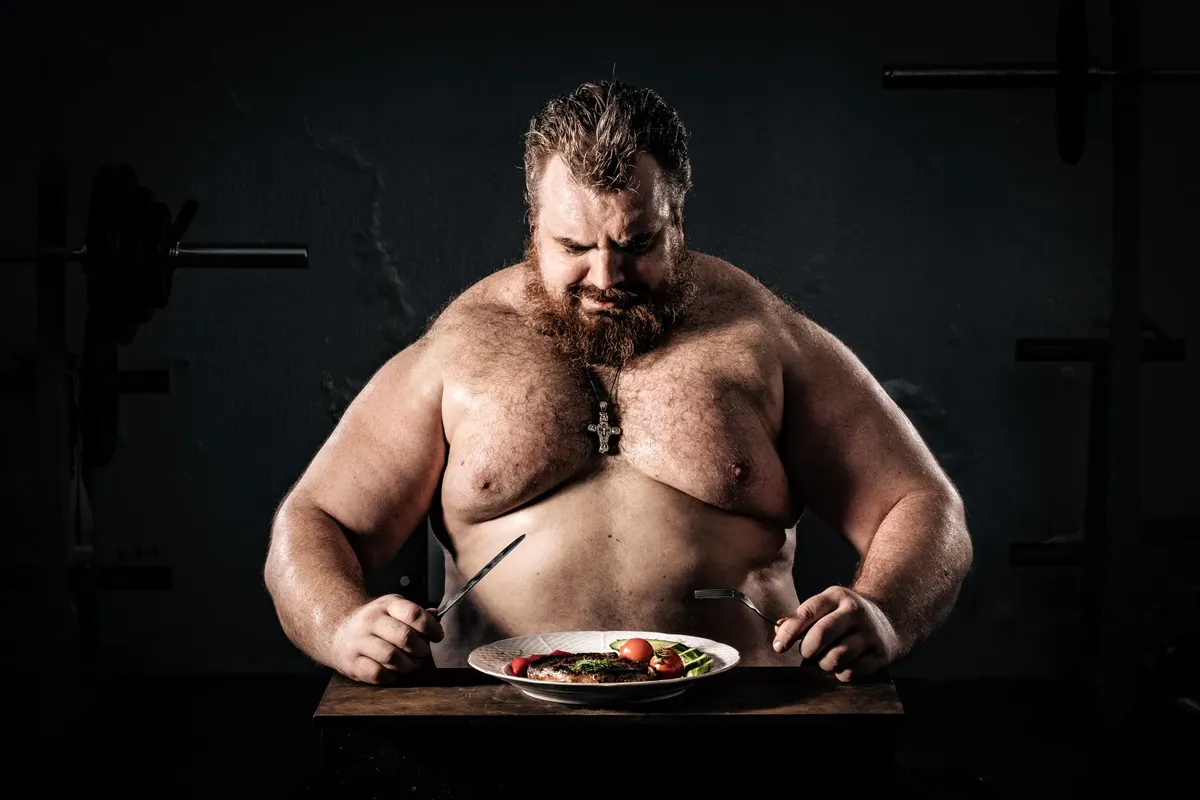
The table illustrates the divergence between organized sport and digital entertainment. Professional settings require much more rigorous adherence to rules and physical limits.
What are the limitations of studying these health correlations?
A researcher looks over a spreadsheet of data regarding dietary habits and social trends. While many correlations exist, it is difficult to isolate single causes for complex behaviors like digital consumption. The data provides a snapshot of trends rather than a definitive medical diagnosis.
A limitation is that the relationship between viewing habits and depression is an association rather than a proven direct cause for all individuals. The data suggests that frequent watching is associated with severe depression symptoms, but individual biological and social factors vary.
Related







Comments 0