How do authors navigate the shift to digital literature?
"The transition from digital creator to published author requires a blend of narrative mastery and technical adaptability."
The path from digital content creation to literary success involves leveraging audience engagement to build a sustainable writing career. This guide explores how creators navigate the shift into professional publishing, the nuances of royalty structures, and the emergence of digital fiction.

Key takeaways include understanding traditional versus self-publishing earnings, recognizing the rise of born-digital literature, and managing the transition from screen-based content to prose.
How do authors navigate the shift to digital literature?
A writer sits at a desk, staring at a glowing monitor while navigating a complex text-based interface. This transition represents a movement from traditional print to the burgeoning field of electronic literature.
Some creators become proponents of electronic literature and serve as founders of organizations like the Electronic Literature Organization. These pioneers help define how stories are told in a digital-first environment.
A pioneer born-digital writer might be part of the first generation of electronic literature authors. Such individuals often serve as founding board members or past presidents of the Electronic Literature Organization to shape the field's future.
The shift involves moving from short-form engagement to deep, structured storytelling. This requires a change in how writers view the relationship between the reader and the medium.
- Evaluate existing intellectual property for digital compatibility.
- Select appropriate distribution platforms.
- Adapt formatting for various e-reader devices.
What are the financial realities of book royalties? UK YouTuber to Author Success
In the quiet of a home office, authors squint at ink-stained contracts while the cold breeze brushes against their skin.
An author reviews a contract, calculating how many copies must be sold to recoup an initial advance. This financial planning is a core part of a professional writing career.
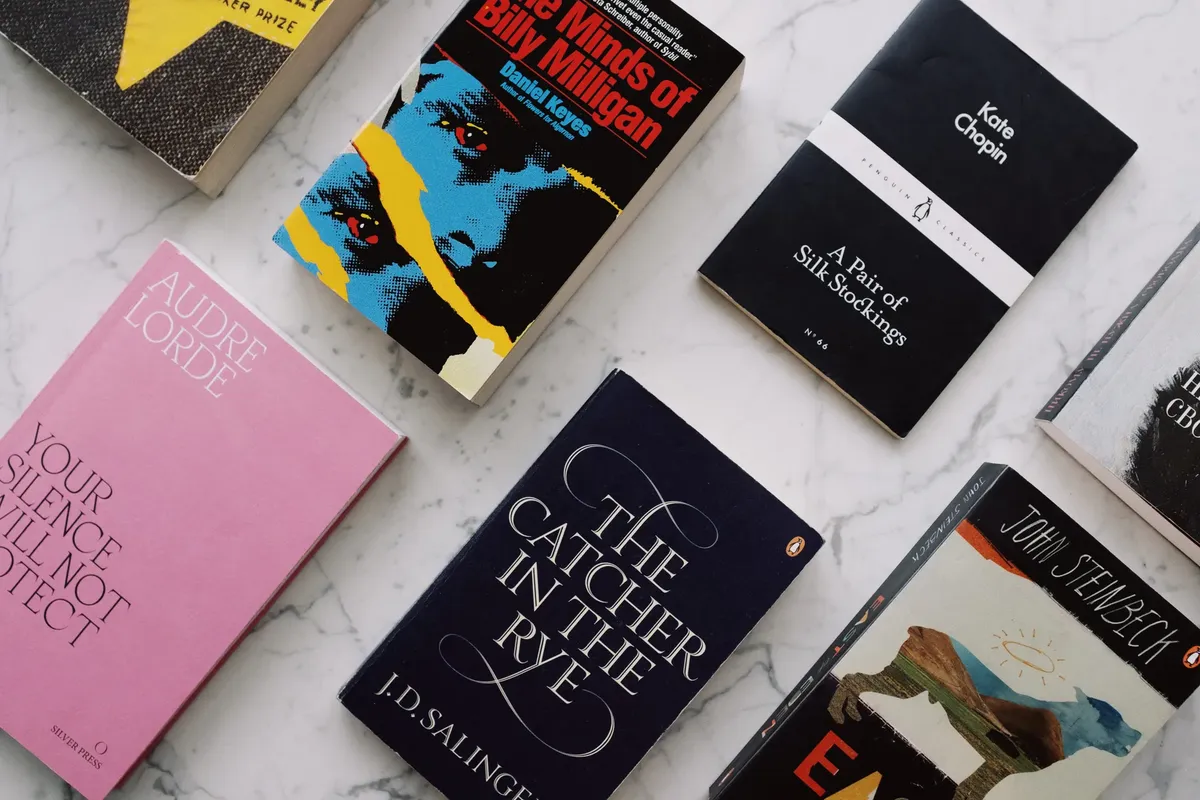
Traditional publishing often involves a royalty payment, which is the sum paid to authors for each copy of a book sold. This rate is traditionally around 10–12%.
Self-published authors may see different financial outcomes, as they can earn about 40% – 60% royalties per each book sale. This higher percentage helps offset the costs of production and marketing.
An author's contract may specify that they earn a certain percentage of the retail price. For example, if an author is paid a modest advance of $2000 and their royalty rate is 10% of a book priced at $20, the book must sell 1000 copies before any further payment is made.
In this sequence, the second step is the most time-consuming.
How does academic and creative writing intersect?
A scholar moves between writing formal research and composing lyrical poetry under different names. This duality allows for a multifaceted professional identity.
At Thomas University in Fredericton, New Brunswick, some authors have published both academic literature under their own names and poetry under the pen name Kathy Mac. This allows for the separation of different intellectual pursuits.
This intersection shows that a creator's background can support multiple writing paths simultaneously. It requires careful management of different brand identities.
The process involves balancing rigorous research with creative expression. Navigating these two worlds requires discipline and a clear sense of purpose.
What defines a career in digital fiction?

A novelist types on a laptop, blending traditional storytelling with interactive digital elements. This represents the modern evolution of the novelist.
Kate Pullinger is a Canadian novelist and author of digital fiction, and a professor of Creative Writing at Bath Spa University, England. Her work demonstrates how traditional expertise can merge with new media.
Digital fiction challenges the boundaries of the standard book format. It requires authors to understand both narrative structure and technological delivery.
The role of a professor can also provide a foundation for developing new literary forms. This academic background often informs the creative process in digital spaces.
How can creators manage their transition?
A writer organizes a workspace to balance digital tools with traditional drafting methods. Successful transition requires a structured approach to building a new professional identity.
- Define the target medium by determining if the work fits traditional print, self-publishing, or electronic literature formats. 2. Establish a clear brand identity, especially if the author intends to publish under different names for academic or creative work. 3. Analyze potential royalty structures to understand how advances and sales volumes will impact long-term income.
I remember checking my first royalty statement and realizing exactly how many copies were needed to cover my initial costs. This helped me understand the necessity of volume in a publishing career.
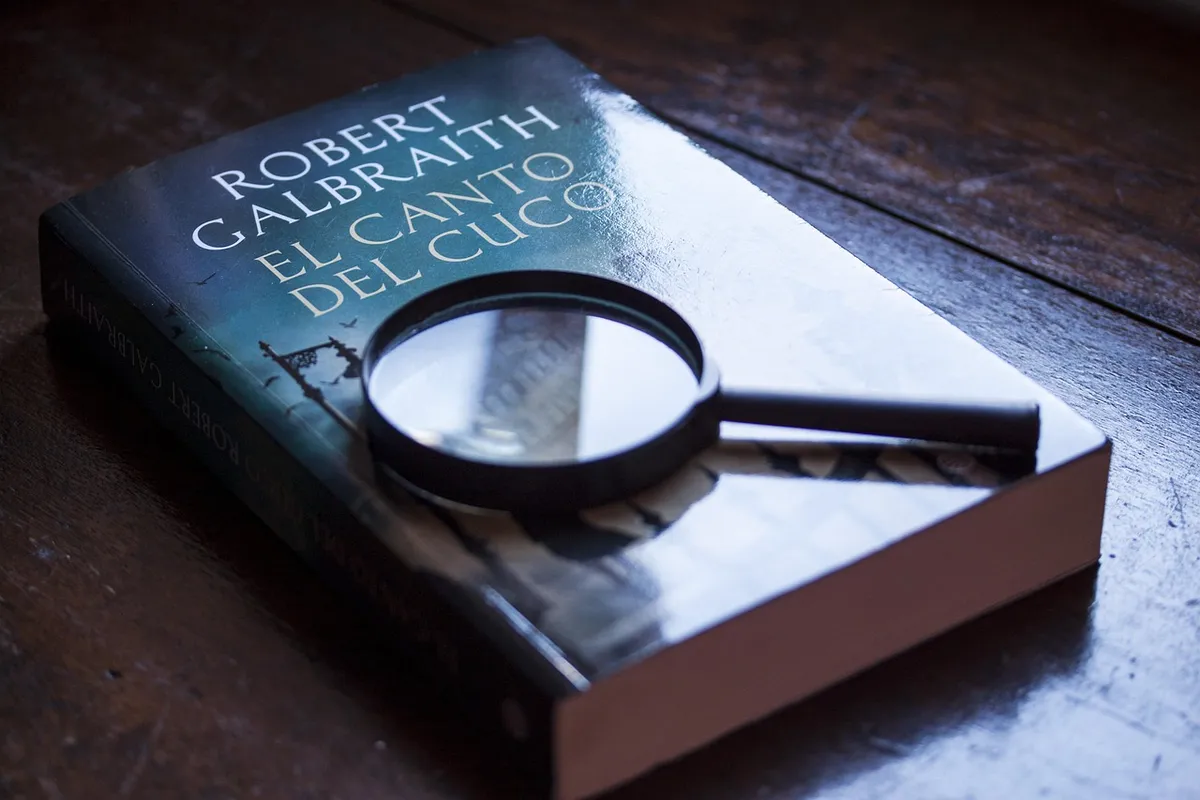
A limitation exists when applying these financial models to niche electronic literature, as market sizes for digital-only works may not follow traditional sales volume patterns.
The subject here is UK YouTuber to Author Success.
The same subject is also called British Creator Writers.
The same subject is also called YouTube to Book Success.
The same subject is also called UK YouTuber Literary Path.
The same subject is also called Digital Creator Authors.
This part also covers Case Study of UK Creators.
This part also covers YouTube to Publishing Tips.
This part also covers Creative Content to Books.
Case Study of UK Creators
Related
- Music trends from digital: YouTuber music industry success
- Music chart success: Why UK YouTuber music chart success
What are the challenges of digital transition?
The initial phase of the digital transition requires creators to reconcile the immediacy of screen-based feedback with the slower cadence of print distribution. This reconciliation is crucial for establishing a cohesive body of work.
The shift demands that the author views the medium not just as a delivery system but as an integral part of the narrative itself. This contrasts sharply with the expectation of a traditional print run.
Successful management of this digital transition means acknowledging that the reader's interaction with the text may extend beyond the page boundary. This acknowledgment is key to modern literary pursuits.
Wikipedia: Children's literature Based on the retained excerpt mentioning California State University: Arne Nixon Center for the Study of Children's Literature Archived 2010-01-07 at the Wayback Machine at California State University, Fresno Betsy Beinecke Shirley Collection of American Children's Literature.







Comments 0