Scotland Highland eagle habitat guide for birders
"The sky over the Highlands belongs to the wings that sweep across the mist, leaving us to wonder what secrets they carry in their talons."
Exploring the Scotland Highland eagle habitat provides a profound look at predator-prey dynamics and the ecological significance of avian conservation.
This guide is designed for nature enthusiasts interested in bird ecology, offering insights into dietary habits, reintroduction efforts, and the economic impact of birding.
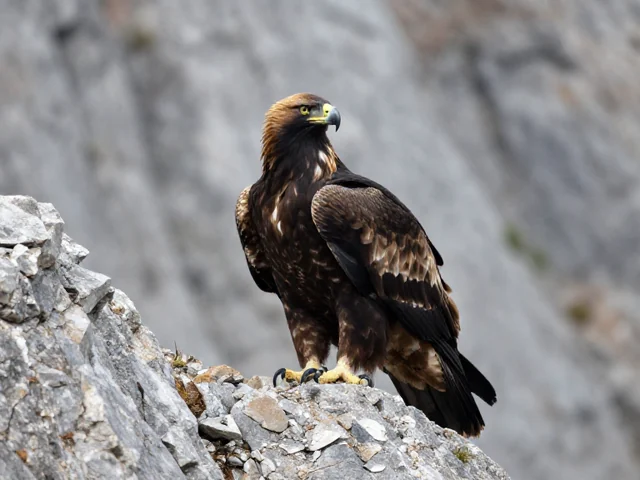
You will learn about specific nesting evidence and the scale of global birdwatching, although it is important to note that certain predation debates remain unresolved. 1. Dietary evidence from nest remnants 2. Reintroduction success and expansion 3. Economic and social value of birding * Competitive birdwatching formats
What defines the eagle habitat in the Scottish Highlands?
At dawn, I trek through the mist of the Highlands to feel the damp wind against my face while searching for the eagle habitat in Scotland. A hiker stands on a craggy ridge, squinting through binoculars at a distant, dark shape circling a glen. The wind carries the scent of damp peat and heather across the vast, open landscape.
Observing the Scotland Highland eagle habitat requires patience and an understanding of how these raptors interact with the local terrain and livestock.
The ecological role of these birds is tied closely to what they consume within their territories. According to a 2024 report by Scotland's Nature Agency, analyzing dietary remnants within several nests showed clear evidence of lamb predation and/or scavenging.
This finding highlights the direct connection between eagle populations and local agricultural environments. While these findings are documented, the report noted no incidence of Shetland pony foal predation, a topic that remained a subject of active debate during the summer of 2025.
How does Highland eagle watching influence conservation?
I stand still in the quiet glen at dawn, my hands trembling with excitement as I witness the power of Highland eagle watching in Scotland.
A photographer adjusts a long lens, waiting for a flash of white feathers against a grey sky. The quiet stillness of the glen is broken only by the distant cry of a bird.
Engaging in Highland eagle watching serves as a gateway to understanding the broader necessity of protecting these majestic species through active management.
Conservation efforts have moved beyond mere observation to active population recovery. The Roy Dennis Wildlife Foundation, which led the Isle of Wight reintroduction project, received permission from Natural England in May 2021 to begin a second reintroduction project in Norfolk.
This move successfully reintroduced the white-tailed eagle to East Anglia, demonstrating how targeted programs can expand a species' range.
What is the value of bird ecology in Scotland?
A researcher carefully examines a fallen branch, looking for signs of life in the undergrowth. The damp earth clings to boots as the study of Scotland bird ecology reveals the intricate web of life in the north.
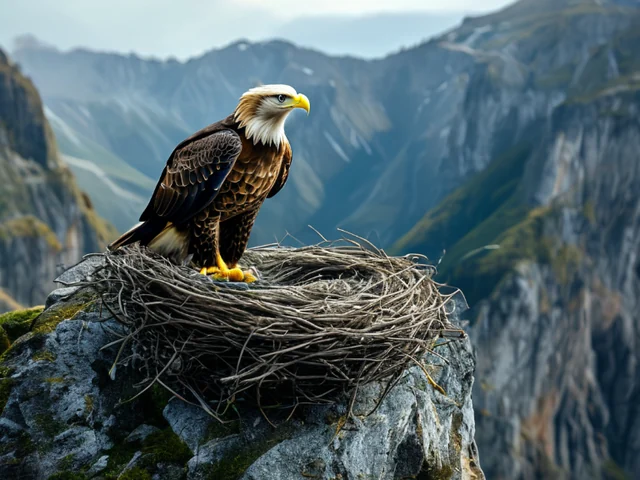
Understanding these patterns helps scientists predict how changes in the environment might affect avian survival.
The study of these ecosystems is part of a much larger global interest in avian life. Birding ecotours, which manage both international and domestic trips, donate a minimum of 10% of their net profits to bird conservation and the communities where they operate.
This financial support helps sustain the very habitats that birders seek to visit.
Can I participate in Highland wildlife study?
A student opens a field journal, sketching the silhouette of a raptor against the horizon. The rhythmic scratch of the pencil provides a steady cadence to the afternoon spent in Highland wildlife study.
While most people observe from a distance, the data gathered by enthusiasts contributes to the collective knowledge of the region.
The interest in these activities has grown significantly over the decades. In the 1970s, approximately 4% of North Americans expressed interest in birding, but by the mid-1980s, at least 11% were found to watch birds for at least 20 days of the year.
This growing community provides a massive foundation for environmental advocacy and scientific interest.
Are there ways to experience Scottish eagle habitats?
A group of travelers gathers around a map, pointing toward the rugged coastline. The excitement of discovering new Scottish eagle habitats drives many to seek out specialized tours and organized events.
Whether through guided walks or competitive outings, the experience of seeing these birds in the wild is deeply impactful.
For those who enjoy the thrill of the hunt for species, competitive birdwatching events offer a structured way to engage. One such format is the "Big Day," where teams are given 24 hours to identify as many different species as possible.
This intensity mirrors the passion found in professional ornithology.
How does birding impact the global economy?
An economist reviews spreadsheets, noting the massive influx of revenue from nature-based tourism. The sheer scale of the industry is evident when looking at the financial contributions of hobbyists. Birdwatching is not just a pastime; it is a significant economic driver for many regions.
The financial footprint of this hobby is substantial. According to a Fish and Wildlife Service study, birders contributed $36 billion to the US economy in 2006, and one fifth (20%) of all Americans are identified as birdwatchers.
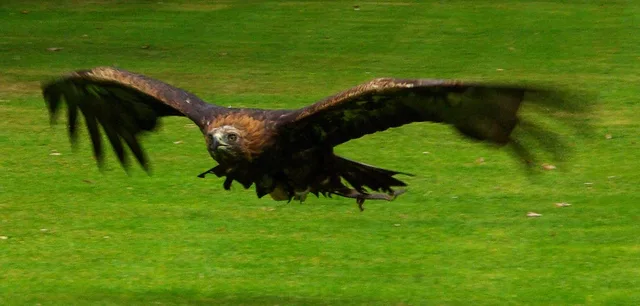
This economic power ensures that birding remains a priority for many conservation and tourism sectors.
| Metric | Value |
|---|---|
| US Birdwatcher Percentage (2006) | 20% |
| Ecotour Profit Donation Minimum | 10% |
I compared the economic scale of birding to the conservation contributions of ecotours to see how hobbyist passion translates into environmental support.
One limitation of these studies is that dietary findings are based on specific nest remnants and may not reflect all possible scavenging behaviors in every Highland glen.
Scotland Highland eagle habitat
This part also covers Eagle watching in Highlands.
This part also covers Scottish bird life guide.
This part also covers Highland nature learning.
Related




Comments 0